Why dried flowers go beige, and how slowly you can make it happen
Light takes the colour, damp takes the structure, dust makes both look worse. None of it reverses, and where the vase stands on the first day decides most of the outcome.
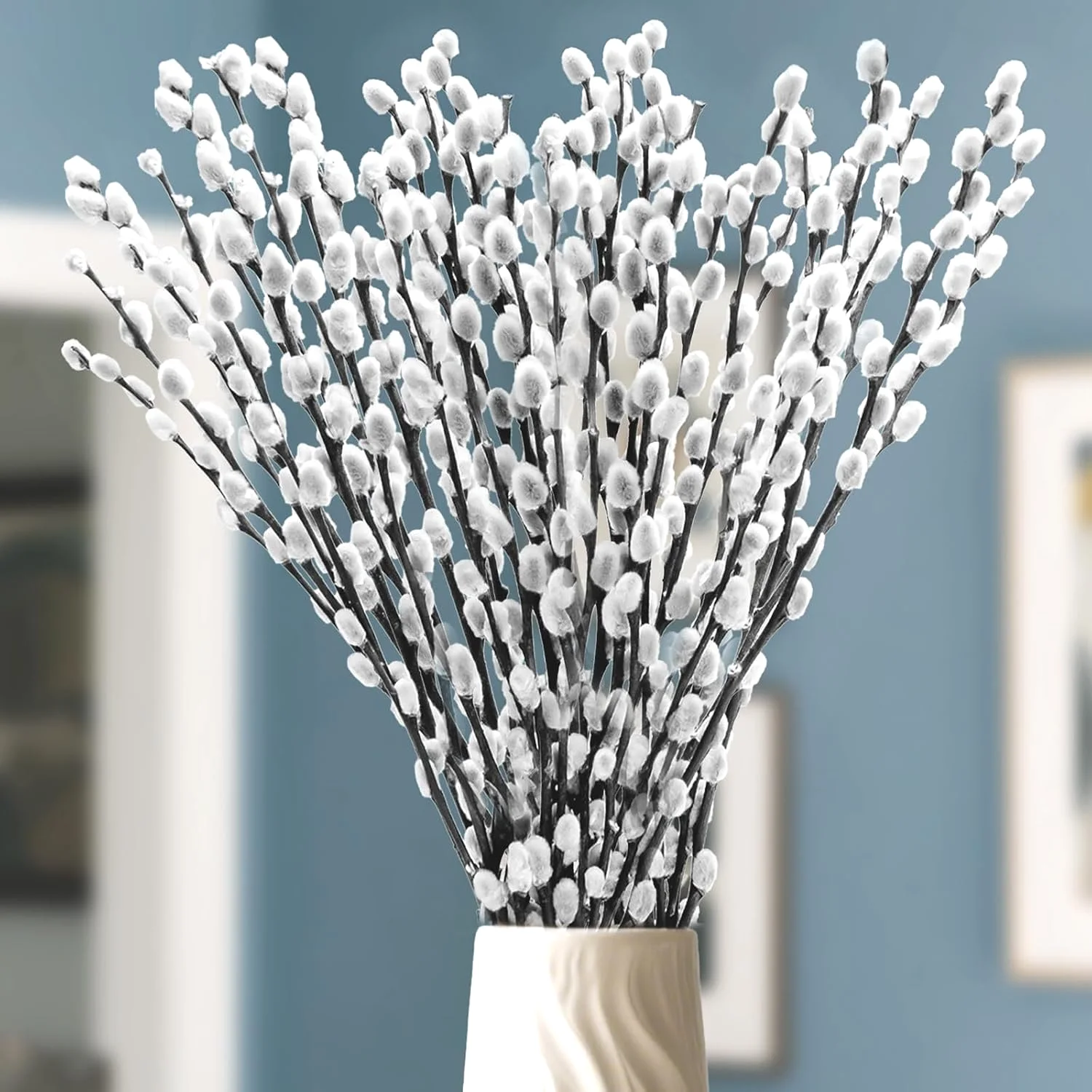
Every dried bunch is on a one way trip. The colour you unwrap is the best it will ever look, and from that moment it is being spent. Nothing you do reverses it. What you can change, and change a great deal, is how many months or years the trip takes.
This is what is actually doing the damage, in order of how much it matters, and what each one costs you to fix.
Light is the main agent, and the damage is permanent
The Canadian Conservation Institute, which exists to tell museums how to keep things, frames this as a dilemma rather than a problem to be solved: we need light in order to see collections, and light damages some objects. The trade off is between seeing something well today and seeing it at all in the future, and the loss is described as permanent damage rather than something that can be undone later.
Two of the three bands of radiation coming off a bright window are not even part of the trade. Ultraviolet and infrared are invisible, so they contribute nothing to seeing the object, and both are damaging. In the institute's phrasing they are not part of the dilemma between seeing and damaging, they are simply damaging.
For a sense of scale, the conservation benchmark for light sensitive material is fifty lux. That figure was adopted because it is enough for the human eye to be working within full colour vision, not because it is comfortable, and it is a small fraction of what a room with a south facing window gets on a clear afternoon.
You are not running a museum, and a bunch of dried lavender on a windowsill is not an artefact. But the direction of the advice is exactly the same, and it is the single change that makes the biggest difference to how long a dried bunch keeps its colour.
What that means for a shelf at home
Move it off the sill. A dried bunch on a bright windowsill will fade visibly in a season. The same bunch three metres into the room, out of the direct beam, will hold for a year or more.
Watch for the afternoon beam specifically. Most rooms have one wall that gets an hour of direct sun a day and nobody notices, because nobody is in the room at four o'clock. The stems notice.
Rotate the bunch. Sun reaches one side, and a vase turned occasionally fades evenly instead of ending up with a good side and a bad side.
Purple goes first. Lavender is the most fugitive thing in this catalogue, and it goes from purple to dusty grey brown before anything else in the room looks touched. Baby's breath, being cream to start with, shows the change least. Preserved eucalyptus sits in between and tends to go grey rather than yellow.
| What it is | How fast the colour goes | What shows first |
|---|---|---|
| Lavender | Months | Purple to dusty grey brown |
| Preserved eucalyptus | About a year | Green to grey |
| Baby’s breath | Slowest of the flowers | Cream to a deeper cream |
| Willow and snow willow | Longest of anything here | Bud drop before colour |
Humidity, and the second way a bunch dies
Light fades. Damp rots, and it does it faster.
Dried material is hygroscopic: it takes moisture back out of the air. In a bathroom, a kitchen with a kettle, or a basement, a bunch that felt crisp on arrival will feel soft within days, and soft is where mould starts. The first sign is smell rather than sight, and by the time you can see grey fuzz the bunch is finished.
A shower bundle is a deliberate exception, and it is one reason shower eucalyptus is a consumable rather than a permanent fixture. It lives in the damp on purpose, and it lasts weeks rather than years. Everything else in this catalogue wants to be somewhere that dries out.
The fix costs nothing. Air the room. Do not stand dried stems in a sealed cabinet or a windowless bathroom. If a bunch has gone limp, moving it to a dry room for a few days will firm it up again, though it will not undo any colour that has already gone.
Dust, and the only cleaning method that works
Dust is not just untidy. It holds moisture against the surface and it dulls colour on its own, so a dusty bunch looks faded before it actually is.
Do not wipe dried flowers. Do not wash them. Do not use a damp cloth on a lavender head unless you want the head in the cloth.
What works is moving air. A hairdryer on cool, held far enough back that the stems barely move, clears a season of dust in a minute. A can of compressed air does the same for a bunch too fragile to touch. For petals and confetti, which live in a bag until the day they are used, the answer is to leave the bag shut.
Do not wipe dried flowers. Do not wash them. What works is moving air.
Dried and preserved are not the same word
The two words get used interchangeably in this category and they describe different things, which matters for how a bunch behaves on your shelf.
Dried means the water was taken out and nothing put back. Air dried stems are light, brittle and matte, they keep their scent best, and they shatter if handled roughly. Most of our lavender and all of the petals are dried in this sense.
Preserved means the sap was replaced, usually with a glycerin solution drawn up through the stem while the plant is still taking up liquid. The leaf stays supple instead of going crisp, so a preserved eucalyptus stem bends rather than snaps and the colour holds differently. It is also why preserved stems feel very slightly cool and faintly waxy, and why they are heavier than they look.
The trade is straightforward. Preserved lasts longer against handling and holds shape better, and it is the reason a shower bundle survives being tied, moved and steamed. Dried holds more scent and costs less. Neither is protected against light: a preserved stem in a south facing window fades just as surely as a dried one, it simply stays flexible while it does.
Neither should be watered. A preserved stem in a vase of water rots at the cut end within days, and the water does not travel anywhere useful because the stem is no longer alive. Dry vase, no water, is the rule for everything in this catalogue except the petals, which never go near a vase at all.
The honest lifespan
We are not going to promise permanence. That promise is printed all over this category and it is not true of any plant material.
Kept out of direct sun, in a room that dries out, dusted occasionally: eucalyptus holds its colour for something like a year and its shape for longer. Willow branches, which are mostly stem and bud rather than leaf, last the longest of anything here and are the closest thing to permanent. Lavender keeps its colour for months rather than years and its scent for less than that. Baby's breath fades least because it starts nearly white. Petal confetti is bought to be thrown and has no shelf life problem worth discussing.
When a bunch has gone, it has gone. It is plant material and it composts. That is a better ending than a shelf of grey stems nobody wants to be the one to throw out.
A summary of published conservation guidance written for museum collections, offered here as a direction rather than as a standard for a shelf at home.
The rest of the Oning table is on the front page, and the figures behind it are in how we update.